Skip to content

TagDebt

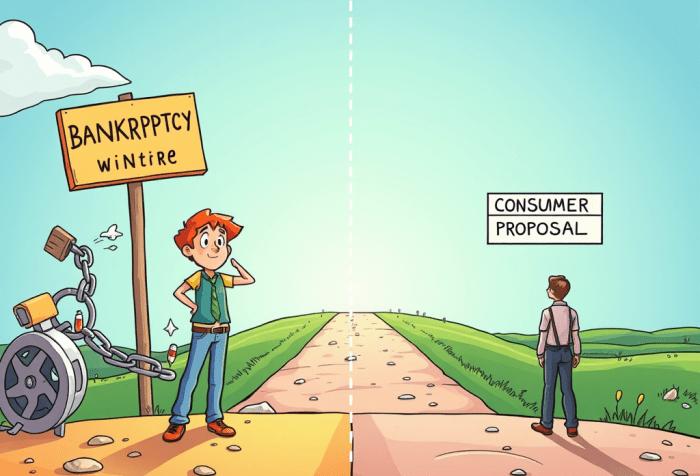
The speed Discharge: Bankruptcy wins over Consumer proposal

In the world of debt relief, two primary options often come to mind: consumer proposals and bankruptcy. While both offer a path to financial freedom, they differ significantly in their implications and long-term effects. This article will argue why bankruptcy, despite its daunting reputation, can often be a more advantageous solution than a consumer proposal for individuals seeking to reestablish their financial footing.

When you’re drowning in debt, the idea of a “consumer proposal” sounds like a gentle breeze, a reasonable compromise. You offer your creditors a portion of what you owe, they agree, and you embark on a multi-year repayment plan. It feels less drastic, less shameful, than declaring bankruptcy. But let’s pull back the curtain on that seemingly gentler option, because from where I’m standing, a consumer proposal often leaves you in financial limbo far longer than the “nuclear option” of bankruptcy.

Continue reading “The speed Discharge: Bankruptcy wins over Consumer proposal”

Canadians Are Paying Down Their Non-Mortgage Debt

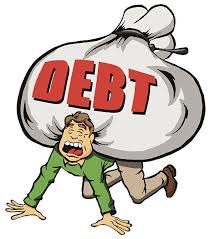
In so many ways, the pandemic has been devastating for Canadians. Between layoffs, supply-chain shortages, and healthcare challenges, the last year and a half has tested us in ways we never could have imagined a decade ago. And yet, in the midst of adversity, some silver lining has come to light: Canadians have actually been very smart with their money. 

We know that Canadians have never had more disposable income. Lockdowns physically limited our ability to shop and dine out while CERB payments padded our pockets for months. But people weren’t running out and buying Teslas. In fact, they were using their excess cash to pay down expensive debt

This happened almost immediately. Less than two months into the first lockdown, May 2020 saw the first decline in non-mortgage debt in decades. By January 2021, non-mortgage debt had plummeted by more than $20 billion, including a whopping decline of $16.6 billion in credit card debt. Now able to pay down their Visa bills, Canadians were able to incur more practical debt: mortgage debt.

Mortgage Debt in the Pandemic Era

As non-mortgage debt evaporated, mortgage debt ballooned. Almost $99.6 billion between the start of COVID and January 2021, to be exact. Why? Mortgage rates fell. The stock market soared. Extra disposable income made it a little easier to save for a down payment. But more than anything, the stay-at-home orders forced Canadians to really value their living spaces. 

The Bottom Line

Canadians are trading in their bad debt for good debt. What’s the difference? Bad debt is spent on inessential items that don’t retain or accrue value, while good debt can enhance your net worth over time. In my opinion, mortgage debt is good debt.

Real estate values in Canada have only increased over the last 25 years. So when you take out a loan on a home, you’ll almost certainly see a return. Having debt tied to a tangible asset that appreciates in value is prudent, whereas having debt tied to an overcharged Amex card is not. The trend towards good debt is an indication that Canadians are getting more savvy at managing their money. 

But it’s also a huge indication that Canadians value homeownership. You can even see it in how much they’re spending on home decor and renovations. With home values on the rise and rates remaining stable, it’s very likely that we’ll see mortgage debt climb even more than we already have.

Your best interest is my only interest. I reply to all questions and I welcome your comments. Like this article? Share with a friend.

Steve Garganis: 416-224-0114; steve@canadamortgagenews.ca

It’s Financial Literacy Month

We’re celebrating Financial Literacy Month!

Join Senior Economist, Ted Tsiakopoulos and Mortgage Broker, Steve Garganis Thursday, Nov 12, 2020, at 1:00 PM Eastern Time for a chat about budgets, savings, debt, and more.

N

Register Now: https://buff.ly/3lhmUl3

Hot Topics:

  • Interest Rates, Savings, Debt and Budgeting trends
  • Good debt vs bad debt: How debt affects the economy, housing prices and financial stability
  • Bankruptcy vs Consumer Proposal.
  • Bank of Canada interest rate policy now till 2023 – Risks??
  • Why the second line of defence (macroprudential policies) is necessary despite the recent rise in savings
  • Where does the problem lie? Disaggregating debt to asset ratio by age and income
  • Trends in financial literacy
  • Disruptions coming post-COVID & importance of financial literacy & skills

Debt Consolidation Tip: Pay less interest!

Collateral ChargeThe beginning of the year is typically tough financially for most of us. Holiday bill payments, RRSP contributions, property tax bills, etc. And, if you’re self-employed, you probably have to make some sort of business tax or corporate tax payment. If December is the Holiday Season, then January and February feel like a hangover!

Banks and credit card companies love this time of year because this is when we’re most likely to carry a balance, forcing us to pay those crazy interest rates that range from 9% to 24%.

But, wait! Before you get too depressed, there may be a better option. There’s a less expensive way to manage your debt.

Continue reading “Debt Consolidation Tip: Pay less interest!”