

Skip to content

CategoryMortgage News

Adjustments to the Mortgage Stress Test

Adjustments to the “Stress Test” don’t go far enough

Adjustments to the Mortgage Stress Test

In case you missed it, Finance Minister Bill Morneau announced this week that adjustments to the “Stress Test” are coming on April 6th. While the government says the change will make the stress test qualifying rate more responsive to market conditions, what does that really look like?

On the bright side, this new qualifying rate will probably be lower by around 0.30%.  This will increase the amount of a house one can buy by around 5%.  

Example… $500k increases to $525k.  

On the dark side, this isn’t really making a whole lot of difference. I don’t want to sound pessimistic, but I’d like to point out the shortcomings of his announcement. It’s purely political. They said they would do something and I guess, technically they did. But it really has no significant impact. 

Continue reading “Adjustments to the “Stress Test” don’t go far enough”
Genworth Regional Risk Report

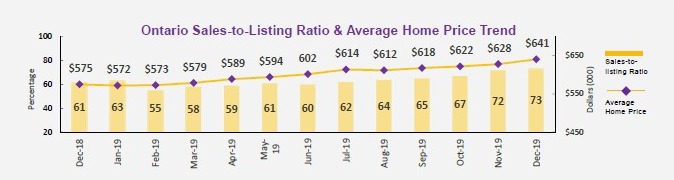
Some great stats just came out in Genworth’s regional risk reports. Here are a few of the highlights.

As expected, Ontario’s housing market has been very healthy and active and has been picking up steam over the last 2 years.

Alberta’s economy has been hit hard over the past 3 years due to the inability to bring its biggest resource, oil and gas, to the market. We’ve all read and heard about the pipeline debacle. However, the housing market is rebounding as is shown in the stats. Let’s hope action is taken to get our western Canadians some positive changes.  

Continue reading “Genworth Regional Risk Report”
bi-weekly-and-accelerated-payments

How much do you save with bi-weekly payments?

bi-weekly-and-accelerated-payments

For years, we’ve been told to pay our mortgage bi-weekly. Magically, it will  pay your mortgage off faster. Hmm, let’s put that to the test.

(SPOILER ALERT!)  Around 10 years ago, I wrote an article showing some simple but effective math to explain this. I’m constantly getting emails from my readers asking me what they should do. Obviously, a topic worth taking another look at.

Let me also say, there is merit to paying bi-weekly… I’ll explain further on.

HISTORY OF BI-WEEKLY PAYMENTS

Back in the mid-’90s, there was a huge marketing blitz by the Big Banks that promoted making bi-weekly payments instead of the traditional monthly payments. The sales pitch was that you could save huge amounts of money and pay your mortgage off much faster, shaving 4 or 5 years off your amortization. Sound familiar? While offering some benefit, BI-WEEKLY PAYMENTS DON’T SAVE AS MUCH AS YOU MIGHT THINK!

And I’ll prove it… Here are the straight facts!

Continue reading “How much do you save with bi-weekly payments?”

Time to review your mortgage

How’s my rate?

Time to review your mortgageYou’re two years into your mortgage term. You’ve got a great rate, or so you thought? But now you aren’t sure. With so much talk about record low interest rates, you begin to question. Maybe there’s a better deal out there? Did you choose the right product and lender? Has your mortgage advisor or broker contacted you during those two years? Does this sound familiar?


We’ve all heard of buyer’s remorse. That’s when you make a purchase, only to regret spending the money days or weeks later. I’m seeing a lot of people second-guessing their mortgage decision recently. And I have news for you… RELAX! There is a way to check to and see if you made the right choice, and better still, there is a way to see if you can do better today.

Continue reading “How’s my rate?”

New year new home - Learn About the Home Buyers Plan

Home Buying Goals? A New Year’s Resolution to Keep.

New year new home - Learn About the Home Buyers Plan

New year, new home? It’s a good time to take another look at the Home Buyers’ Plan (HBP).

If you’re planning to buy your first home anytime soon, you may be able to take advantage of a helpful federal government program. This enables you to withdraw money you’ve already contributed to your registered retirement savings plan (RRSP) and use it towards anything related to your home purchase, including your down payment, closing costs or real estate fees.

But, the key is that the funds must be in your account at least 90 days before you can withdraw them under the Home Buyers’ Plan (HBP).

You can withdraw up to $35,000 ($70,000 per couple) from your RRSPs tax- and interest-free to buy or build a qualifying home for yourself or a related person with a disability.

Continue reading “Home Buying Goals? A New Year’s Resolution to Keep.”